By Abigail Doherty
The full extent of this humanitarian crisis is yet to completely and entirely unfold.
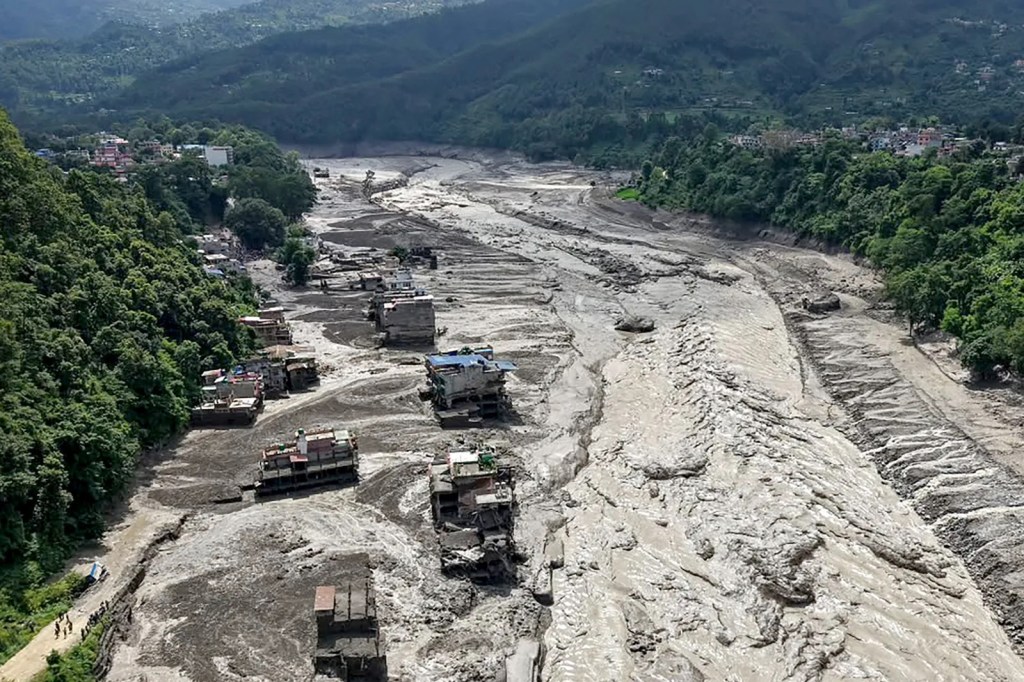
On the 26th August, a catastrophic disaster occured on the Nepal-Tibet border. Triggered by a massive glacier collapse on Langtang Lirung mountain, a tragic flash flood swept through the mountain valleys, and then through the villages and towns of civilians.
The sheer force of the glacial collapse prompted authorities and seismologists to suspect an earthquake. However, the realisation quickly dawned that something more unforgiving was to be released.
As of the 4th September – just eight harrowing days after the catastrophe – the BBC have reported more than 1,300 confirmed deaths, with more than 5,300 people missing. The death toll in Tibet is reportedly 31, with 531 missing. These figures have been steadily increasing as time goes on.
BBC’s China correspondent, Laura Bicker, explained why it is harder to assess the scale of disaster in Tibet: ‘Tibet […] is one of the most strictly controlled regions in the country.’ Bicker clarifies that entry into Tibet requires a special visa, making it increasingly difficult for foreign media to gain entry. Communications from within Tibet are also monitored and tightly controlled. Thus, the implications, according to Laura Bicker: ‘This makes it very difficult for us to know what is happening, and we are relying heavily on reports from Chinese state media.’
The flash floods have also displaced at least 93,000 people. The Red Cross said that thousands of homes have been destroyed, as well as infrastructure, livelihoods and public services. The full extent of this humanitarian crisis is yet to completely and entirely unfold.
The Nepal Red Cross Society is one of the organisations supporting communities affected by the crisis at hand. The Society has been able to: set up five emergency camps; activate emergency response teams; launch search and rescue operations; provide emergency supplies; and support families who have lost contact with loved ones.
Please, if you are able, donate where possible to help communities to rebuild in the wake of this disaster. To give strength to those displaced and hope to those who have tragically lost dear family and friends.
There are many humanitarian organisations and charities that are fighting for the lives of survivors. It is important that, from wherever you are reading this, we keep all of those affected in our hearts.

